Table of Contents
- – Anxiety in Successful Individuals
- – Body Memory in Healthcare Professionals: Proce...
- – How Elite Performers Encounter Inner Peace Ch...
- – Creating a Life of True Purpose in Your Commu...
- – Building Authentic Professional Relationship...
- – Cultivating a Life of Sustainable Success in...
- – Relational Trauma and Professional Success
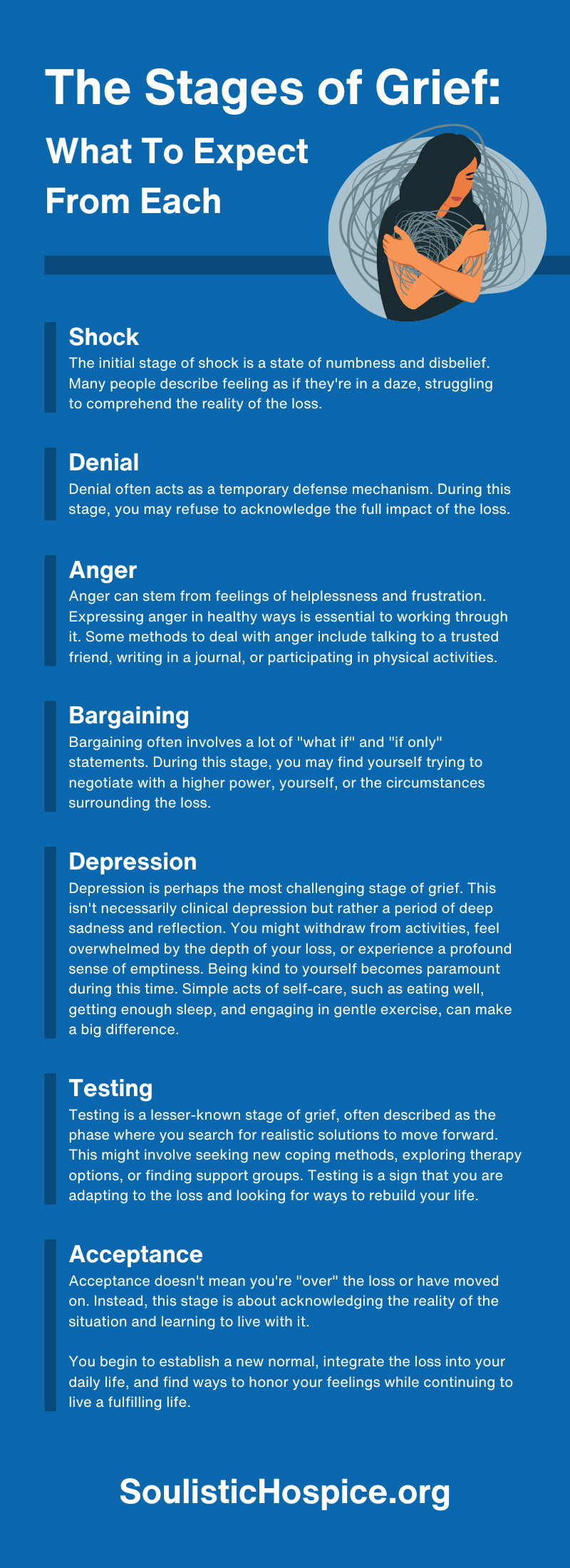
While everybody experiences grief in a different way, identifying the different phases of pain can assist you anticipate and comprehend several of the reactions you might experience throughout the mourning process. It can likewise aid you understand your requirements when grieving and locate means to satisfy them. Comprehending the mourning procedure can eventually aid you work towards acceptance and healing.
They can likewise aid you approve that your sensations are not uncommon or incorrect. You might acknowledge sensations that a phase defines, and this will aid you know which stage you are in. There is no fixed means of identifying a stage. Stages can additionally reoccur, and and earlier phase can return later.

Grief is a global human experience that touches every person at some point in life. Whether it's the loss of an enjoyed one, the end of a partnership, an occupation problem, or one more considerable modification, grief is the all-natural emotional response to loss. According to the American Psychological Association, approximately 10-20% of people experience complex griefa persistent kind of intense griefafter shedding somebody close to them.
It represents the strength of your love and the deepness of your loss. The negotiating stage commonly entails a series of "what happens if" and "so" thoughts as you emotionally negotiate for a various result: "So I had taken them to the medical professional sooner ..." "Suppose I had been a far better partner/friend/child?" "I promise to be a much better individual if this pain vanishes"A 2020 evaluation in the Journal of Counseling Psychology located that negotiating ideas happened in about 57% of bereaved individuals, with greater prices among those taking care of abrupt or unexpected losses.
Anxiety in Successful Individuals
Approval does not suggest you're "over it" or that the pain has vanished. Instead, it means you're learning to deal with the loss as part of your tale: Readjusting to a new fact Locating brand-new regimens and patterns Experiencing moments of delight without sense of guilt Having the ability to mention the loss extra conveniently Developing meaning from your experienceA longitudinal study published in JAMA Psychiatry located that a lot of bereaved individuals reached some degree of approval within 6-24 months, though this timeline varies significantly relying on aspects like relationship to the deceased and conditions of fatality.
Everybody experiences grief in a different way. Your experience of sorrow and how you deal with it will depend on various variables. These might include your age, previous experiences with pain and your spiritual or spiritual sights.
Body Memory in Healthcare Professionals: Processing Through Somatic Therapy
Anticipatory sorrow suggests feeling unfortunate before the loss happens. As opposed to grieving for the person, who is still with you, you may feel grief for the points you won't reach do with each other in the future. When facing a considerable loss, such as the death of a liked one, it is natural to feel many solid feelings.
This doesn't imply you have actually surrendered on the person or that you do not care for them. People detected with a terminal health problem and those encountering the fatality of a loved one may experience awaiting despair. If you have actually been identified with an incurable disease, you may experience many feelings consisting of shock, concern and despair.
You regret lost chances or experiences you'll miss also little ones, such as the enjoyment of the sunshine or a hot mug of coffee. If someone you enjoy is encountering a terminal ailment, it prevails to experience awaiting sorrow in the months, weeks and days before fatality. You may grieve the same things your enjoyed one is mourning, or various losses entirely.
How Elite Performers Encounter Inner Peace Challenges
You might really feel that the person you understood is currently gone, even if they are still physically there. If your enjoyed one has a decline in physical health and wellness or wheelchair, you might feel anticipatory pain as you shed the opportunity to share experiences, such as hobbies, vacations or occasions.
This is particularly true if you invest a great deal of time caring for the person. You might miss out on activities you utilized to appreciate with each other and feel sorrow regarding the modification in your connection. The nature of your relationship may change as you tackle a carer's duty, or become the one being taken care of.
Creating a Life of True Purpose in Your Community
Feelings of despair prior to fatality are typical it's important to identify them, and to chat concerning them. Experiencing anticipatory pain doesn't necessarily mean that you will grieve your enjoyed one any type of much less after they are gone.
Building Authentic Professional Relationships After PTSD Treatment in Your Life
In reality, we do not experience sensations of pain one at a time or in a certain order. You may experience these things because they are all typical sensations of pain.
Some people really feel numb after the fatality of a person they cared around. If you experience this, it might be due to the fact that it's simply also difficult to think that the individual you know so well is not coming back.
Cultivating a Life of Sustainable Success in Your Community
Possibly they promise themselves that they will now always do (or not do) something, thinking that it can make the individual who has actually died come back. Or maybe they think it will stop anyone else passing away or various other bad things taking place. This is often called 'magical reasoning'. Individuals may additionally discover that they maintain returning over the past and ask great deals of 'what happens if' questions, desiring that they might go back and alter things to make sure that they could have turned out differently.
These feelings can be really extreme and uncomfortable, and they might reoccur over lots of months or years. However most individuals locate that agonizing sensations similar to this become less solid with time. If you do not feel this holds true for you, then you ought to request for assistance.
Her model ended up being commonly approved as a means to recognize sorrow, however in time, grief counsellors and researchers increased upon it, leading to the advancement of the. This prolonged model includes additional emotional reactions that individuals might experience: The first reaction to loss typically brings shock and shock. This stage works as a protective device, permitting us to take in the truth of our loss in workable doses.
Relational Trauma and Professional Success
As the shock fades, deep psychological pain embed in. Feelings of remorse or shame may arisewondering if you can have done something in a different way, or sensation grief over points left unsaid. It's vital to recognize these feelings instead of suppress them. Pain can materialize as angertoward on your own, others, and even the individual that has passed.

Table of Contents
- – Anxiety in Successful Individuals
- – Body Memory in Healthcare Professionals: Proce...
- – How Elite Performers Encounter Inner Peace Ch...
- – Creating a Life of True Purpose in Your Commu...
- – Building Authentic Professional Relationship...
- – Cultivating a Life of Sustainable Success in...
- – Relational Trauma and Professional Success
Latest Posts
The Wounds of Forced Masking in Youth
Affirming Neurological Difference in Trauma Work
Early Life Stress in Childhood and Lasting Consequences
Navigation
Latest Posts
The Wounds of Forced Masking in Youth
Affirming Neurological Difference in Trauma Work
Early Life Stress in Childhood and Lasting Consequences